Translating the Magic of Lottemaa Into Google’s Language
Nobel Digital helped strengthen their organic search positions in both Estonia and Latvia so that as many children as possible could discover the exciting world of the Inventors’ Village.
Looking Beyond Branded Searches
As noted earlier Lottemaa is a very well known brand among Estonians and the numbers confirmed this. Almost all organic traffic coming to Lottemaa’s website was branded. This means users typed “Lotte” or “Lottemaa” into a search engine and arrived on the theme park’s homepage after clicking the branded link.
However non branded traffic was nearly nonexistent. Which means that when people searched for answers to questions such as what to do with kids, where to spend the weekend or how to organise a corporate event Lottemaa did not appear in search results at all. Nobel’s goal was to change that.
We wanted non-branded traffic to grow significantly alongside branded traffic so that people would find Lottemaa not only by name but also through the value and activities the theme park offers. When someone searches for things to do with children, Lottemaa should always appear among the options.
Optimising website pages always requires a long term digital marketing strategy that considers the specifics of the client and their industry. We always start SEO planning with seo analysis to ensure the website reaches exactly the people who matter.
We selected 59 Estonian and 60 Latvian keywords to improve. The goals were to increase the rankings of existing keywords and get as many keywords as possible into the top 100 search results. Estonian keywords fell into four main categories: theme parks, things to do in Pärnu, activities for children and corporate events. The Latvian set also included an additional Estonia tourism category.
Content as the Key to Organic Growth
Keyword positions do not increase on their own. Every website is unique which means every SEO plan must be adapted. For Lottemaa we saw the biggest potential through content marketing and creating new content for their landing pages.
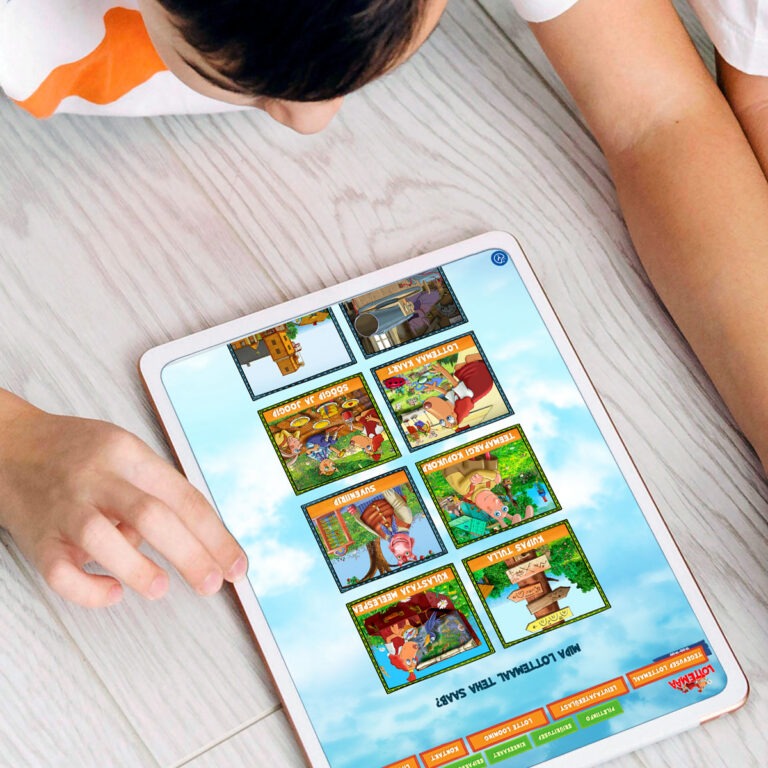
Lottemaa has done an exceptional job bringing the playful atmosphere of the theme park into their website. The design appeals especially to children. Familiar characters greet visitors immediately and an introductory video plays playfully in the background. But search engines cannot understand visuals and rely primarily on text. Simply put Google uses textual content to understand what the page is about and who should see it.
We took advantage of this opportunity by creating new headlines and new landing page content. We also turned our attention to the blog area. The Estonian blog was actively used and covered news related to the theme park.
We wanted to add evergreen content focused on specific keywords. For example we wrote an article explaining why Lottemaa is a great place to visit with children during summer. This single article pushed 8 new keywords into the top 100 search results that previously did not appear for Lottemaa.
We applied the same approach to the Latvian blog. Instead of simply translating the Estonian article we adapted the content for a Latvian audience. We explained what a visitor from Latvia could expect, where to stay and what else to do in South Estonia to enjoy a pleasant family weekend. As a result 6 Latvian keywords that previously had no visibility reached the top 100. Both articles were strategically built around the chosen keywords to achieve these results.
The Diverse World of SEO Work
Good SEO involves much more than content creation. Google’s algorithms evolve constantly and websites require ongoing improvements to remain visible. To strengthen Lottemaa’s overall site health we carried out multiple tasks that support website optimization.
About ten years ago keyword based content was enough to grow organic traffic. Today the situation is different. To provide the best information to users, Google continuously improves its algorithms. Now, a website must also be technically good and user friendly. Below are some examples of SEO tasks completed on Lottemaa’s website:
Fixing Broken Links
To ensure smooth navigation it is a common practice to include relevant internal and external links on landing pages and blog posts.
Over time pages get removed or URLs change which means links must be updated. Otherwise users land on a 404 page.
Since links can break unexpectedly it is good practice to run a website audit from time to time. After scanning the website we updated or removed broken links.
A site without broken links signals to Google that information is up to date and trustworthy which improves overall search positions. We performed several audits during Lottemaa’s SEO process to ensure all references remained valid.
User Experience and Site Speed
Google monitors a metric called bounce rate which shows how quickly users leave a page. A high bounce rate signals that the content does not match user expectations.
One factor that increases bounce rate is slow page loading speed. Users today expect pages to load almost instantly. If loading takes even one or two seconds many visitors leave.
A great tool to assess site speed is Google PageSpeed Insights. This free tool provides a quick overview of your site’s technical health.
Besides speed, user behavior is heavily influenced by page structure. If information is difficult to find, users exit the site quickly. This is why navigation menus, footers and all main elements require review. Logical grouping of information is essential. The larger the website the more important a user experience audit becomes.
Cleaning Up Metadata
Metadata is not visible on the website itself but explains the content of pages to search engines. This includes the page’s title and description shown in search results. If metadata is missing Google generates it automatically. Writing it manually helps create more appealing and keyword relevant introductions for each page.
Image file names and alt texts matter as well. File names should be descriptive instead of generic names like “image1”. Alt texts should accurately describe the image for visually impaired users and support search visibility.
The goal of SEO work is to grow non branded organic traffic. By pushing the website to appear for more keywords we bring new visitors who convert into new customers.
2024. At the start of 2024 only 8 of the selected Estonian keywords ranked in the top 100. By October the number had increased to 21. In Latvia the rise was similar – at the beginning only 2 of 60 selected keywords were in the top 100 but by October the number had grown to 14.
As a result Lottemaa’s organic visibility grew by 45 percent during the year and non-branded traffic increased by about 25 percent.
SEO as an Investment in the Future
The biggest challenge with SEO is that results take time. Meaningful analysis is possible only after 3 to 6 months. Those who want immediate results should look toward digital advertising.
SEO however is an investment that pays off over time. With ongoing improvements it is possible to reach a much wider audience even with a smaller budget. Lottemaa’s organic growth will certainly not stop here. With continuous work on their website we can increase keyword rankings and traffic even further.
If you are interested in growing your website’s organic traffic feel free to contact us. We are happy to help with website optimization, seo analysis, alongside with website creation and overall shaping of a strong digital marketing strategy.